




Introduction
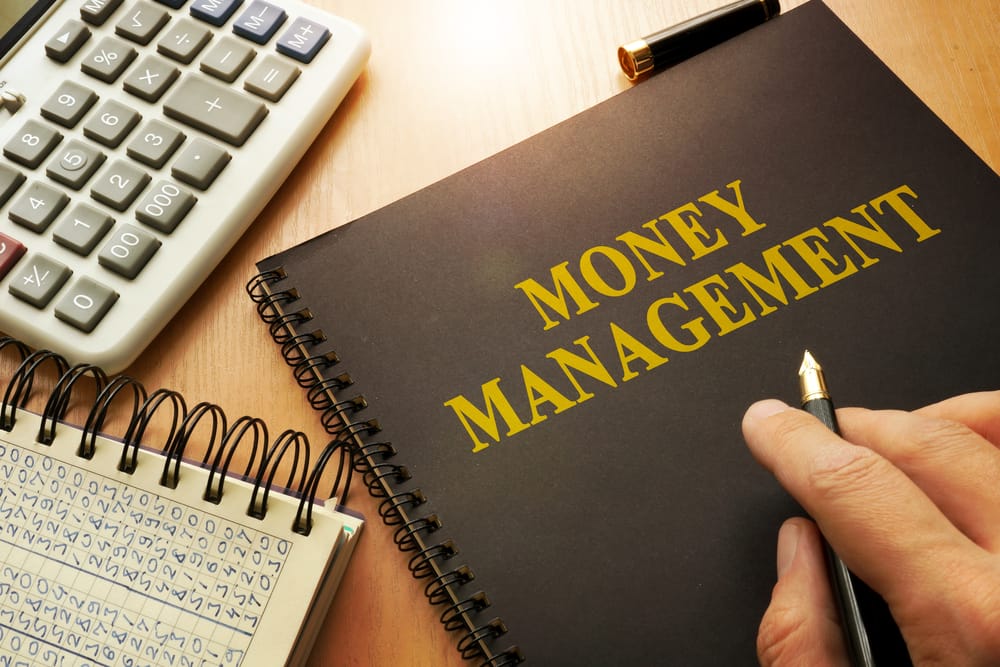
Is it time that Money Management Skills became a core part of the teaching curriculum? If Algebra, Chemistry, Drama and Languages are deemed essential, surely the ability to manage finances should be?
In an age of easy credit, consumerism, job volatility, healthcare and pension pressures, negative equity and crypto – surely young adults need to be equipped for today’s financial landscape?
The State of the UK
It’s estimated by Fair4All Finance that 20m people in the UK are financially vulnerable. This is due to a lack of savings or insurance cover (should a financial shock occur) and generally struggling to cover day to day bills.
StepChange debt charity has seen unprecedented demand for its services since Christmas. A key point to highlight is that 60% of clients are in employment!

A Complex Financial Landscape
Does the average person understand Pensions, Income Tax, Savings Tax, Estate Planning, Financial Insurance or even the tax implications of their ‘side hustle?’ Recently we have had Politicians claim they had made an honest mistake when it comes to their taxes.
The reality is that taxation in the UK is complicated, and that’s before we look at personal finance planning…
How do you develop Money Management Skills for life stages?
- Teens & Twenties – newfound financial freedom. Enjoying consumerism including clothes, holidays, entertainment and possibly a car.
- But did you stop to think about building a credit score and buying a house at this stage in life?
- Thirties – settling down. Marriage, house (with mortgage), children, bigger car, and more expensive holidays (limited to school times).
- Have you considered your pension contributions, emergency fund and building savings for the future?
- Forties – maturing family. Bigger house required, bigger car, provision for College and University, even more expensive holidays.
- Did you remortgage to pay for your holiday or house extension? What impact will that have on your retirement plans? If you have any yet.
- Fifties – golden years. Family all grown up and left home. If you have your health and career now you can enjoy yourself, can’t you?
- That pension pot is looking low. The mortgage hasn’t come down as quickly as hoped. Personal loans need paying off.
- Sixties – big decisions to be made. Keep working until old age or cash in to enjoy your time while you have your health?
- Equity release? How much pension can I afford to cash in? When can I retire? What about care in old age?
Although a brutal portrayal of the financial stages of life, for many people this will resonate. It’s actually quite a positive example as it doesn’t build in bereavement or unemployment. It also doesn’t account for those that are successful and financially secure. It’s geared around an average family (the typical 2+2).
The Financial Advice Landscape
There is an abundance of advice and information to assist people in how to manage their finances. The issue is that those seeking financial advice are usually savvy enough to manage their finances. Those that seek debt advice have already gone over the line.
How does the average person develop Money Management Skills? Aside from Martin Lewis or family and friends – it’s not easy. Financial Advisors tend to seek out people with wealth to invest (as they are paid a commission) and are not attracted to average people. Plus, there is no financial incentive to advise someone on how to reduce credit card debt, cancel subscriptions, switch to a cheaper supermarket etc.
The internet is a wonderful thing, but with cyber scamming, fake news and ‘influencer’ paid posts, who do you trust for advice?
By the time a person is talking to a debt management charity or organisation, the damage has been done.
Money Management Skills
At Saascoms we work closely with the Credit & Collections Industry, our award-winning software supporting both clients and customers in reducing problem debt. Omnireach is our two-way messaging platform and Resolution our self-serve debt management platform.
We believe financial education should start at an early age, from earning and managing pocket money to savings (remember the Nat West Piggy Banks!). we should teach spending within your means, understanding of interest rates, comparing and switching financial products and shopping around – just like you would for a new TV.
More complex subjects should also be tackled including life planning, insurance products to protect from unemployment or illness, savings strategies and pension planning.
We need to equip people with the skills to navigate their financial life. UK pensions are that complicated Financial Advisors take multiple exams to be able to advise on them. That’s an indication of a broken system when an essential financial product is so complicated it requires multiple exams to understand!
Conclusion
At Saascoms we are not a lobbying organisation, but the team, our families and friends have all experienced financial shocks at one time or another. We believe basic Money Management Skills within education would have a positive impact on not just individuals but the nation’s commercial awareness as a whole.
Lets discuss how we can help.
Our award-winning technology is proven to increase customer engagement and increase results.